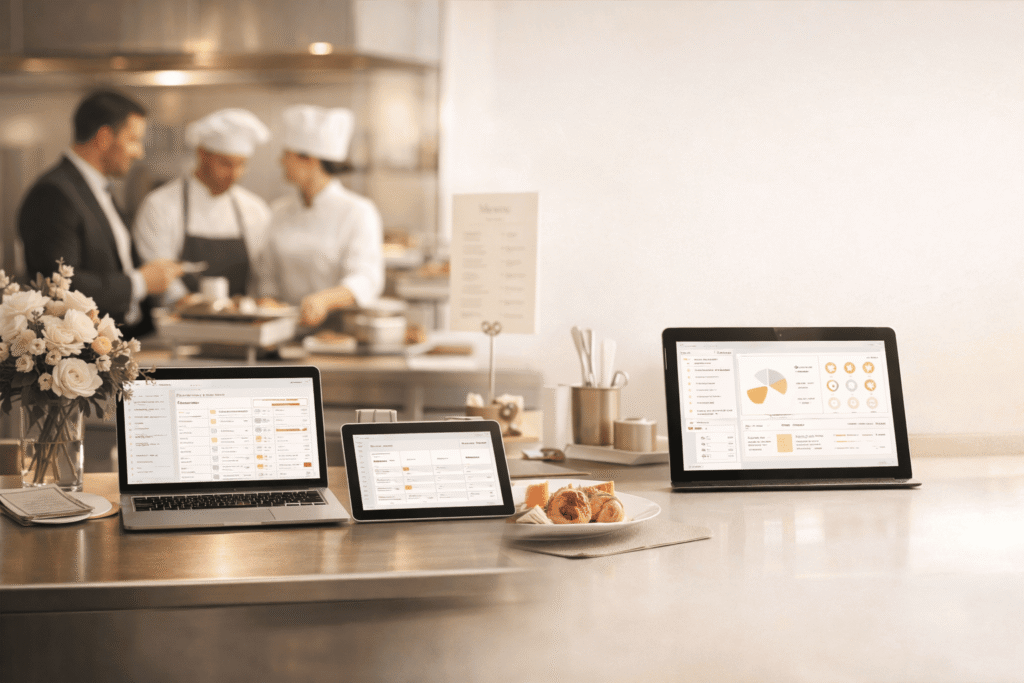
Planning and managing catering for events such as weddings, corporate gatherings, and private parties can be a complex task. From handling client requirements and menu planning to managing staff and billing, catering businesses deal with multiple operations simultaneously. This is where Catering Management Software becomes an essential tool for modern catering companies.
Catering management software is designed to streamline and automate everyday tasks involved in running a catering business. Instead of relying on manual processes, spreadsheets, or multiple disconnected tools, caterers can manage everything from a single platform.
One of the biggest advantages of catering software is centralized order management. Caterers can easily track new bookings, manage event details, and keep records of customer preferences. Whether it’s a wedding reception for 500 guests or a small corporate lunch, the software helps maintain clear and organized information.
Another important feature is menu customization and planning. Catering businesses often need to adjust menus based on dietary preferences, event themes, or seasonal availability. Catering software allows businesses to quickly modify menu options, calculate quantities, and maintain consistency across events.
Inventory management is another area where catering software proves extremely useful. Managing ingredients and supplies manually can lead to overstocking or shortages. With catering software, businesses can track inventory levels in real time, receive alerts for low stock, and ensure ingredients are always available when needed.
Managing staff for large events is also easier with the help of software. Staff scheduling tools allow catering managers to assign chefs, servers, and event coordinators efficiently. This ensures that every event has the right number of staff members and that operations run smoothly.
Another key benefit is automated billing and invoicing. Creating invoices manually can take time and may lead to errors. Catering software automatically generates invoices, tracks payments, and helps businesses maintain accurate financial records.
Additionally, modern catering software often includes analytics and reporting features. These insights help business owners understand sales trends, popular menu items, and operational performance. With this data, caterers can make informed decisions to grow their business.
In today’s competitive catering industry, efficiency and organization are essential for success. Catering management software not only simplifies event planning but also helps businesses deliver high-quality service consistently.
By automating routine tasks and providing better control over operations, catering software allows businesses to focus on what truly matters — creating memorable dining experiences for their clients.